Scientific Papers
Work in Progress
Enablers and Consequences of Exploitative Working Relationship in Healthcare Sector
Submitted for publication
Despite significant progress in labor protections, workplace exploitation may be more widespread than commonly assumed. When organizational decisions prioritize institutional interests over employee well-being, conditions emerge that foster perceptions of exploitation among workers. Essential personnel, particularly those in healthcare, appear especially vulnerable to exploitative practices due to the caring nature of their roles, coupled with exposure to high demands and risks, often in exchange for inadequate compensation. This study examines the dynamics of exploitation within healthcare settings. Drawing on inductive thematic analysis of 48 in-depth interviews with healthcare professionals, our findings indicate that employees frequently perceive themselves as exploited by their organizations. Factors such as vocational calling, dedication, loyalty, and societal contribution amplify susceptibility to organizational advantage-taking. Two distinct forms of exploitation were identified: relational, rooted in the employee–organization relationship, and structural, linked to exploitative human resource practices. Furthermore, these exploitative dynamics impose significant negative consequences, disproportionately borne by employees. This research advances understanding of exploitative work relationships in healthcare—a critical societal concern and pressing public issue.
Coming Soon! Please read it when it comes out!
Perceived organizational exploitation and employee health: An examination of processes and boundary conditions
Presented at AOM 2025 and published in the Journal of Occupational and Oranizational Psychology
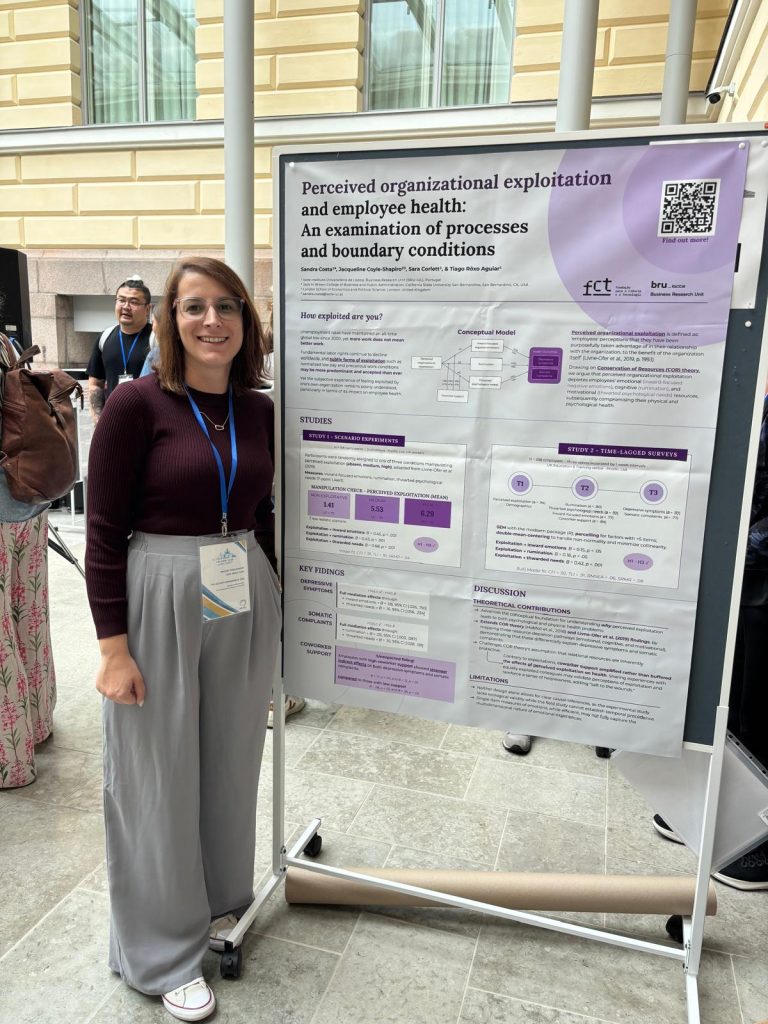
Recent research has argued that exploitative working relationships can be present in any context and experienced by any employee, and their forms can range from extreme to subtle. Drawing on the Conservation of Resources theory, we argue that, through the depletion of resources, employees’ perceived organizational exploitation is likely to affect their emotions, cognition and motivation, with subsequent effects on their physical and psychological health. Moreover, we suggest that coworker support serves as a critical boundary condition to alleviate the negative effects of perceived exploitation. Specifically, we propose that inward-focused negative emotions, rumination and thwarted psychological needs are intertwined mechanisms that link perceived exploitation to health-related outcomes. Using an experiment and a multi-wave field study, we demonstrated that employees’ perceptions of organizational exploitation predicted their negative emotions, rumination and thwarted psychological needs. We also found that the perception of exploitation had direct and indirect effects on employees’ health. Furthermore, our findings revealed that emotional and motivational pathways mediated the relationship between workers’ perceived exploitation and depressive symptoms, while cognitive and motivational pathways mediated the relationship between their perceived exploitation and somatic complaints. Finally, rather than neutralizing the negative effect of perceived exploitation, coworker support was found to have amplifying effects.
Preliminary version available in the Academy of Management Annual Meeting Proceedings 2025
Final version published in the Journal of Occupational and Organizational Psychology (ABS4)
Conference Presentations
Because research must be shared with our peers
AOM 2024: Chicago
Enablers and Consequences of Exploitative Working Relationship in Healthcare Sector
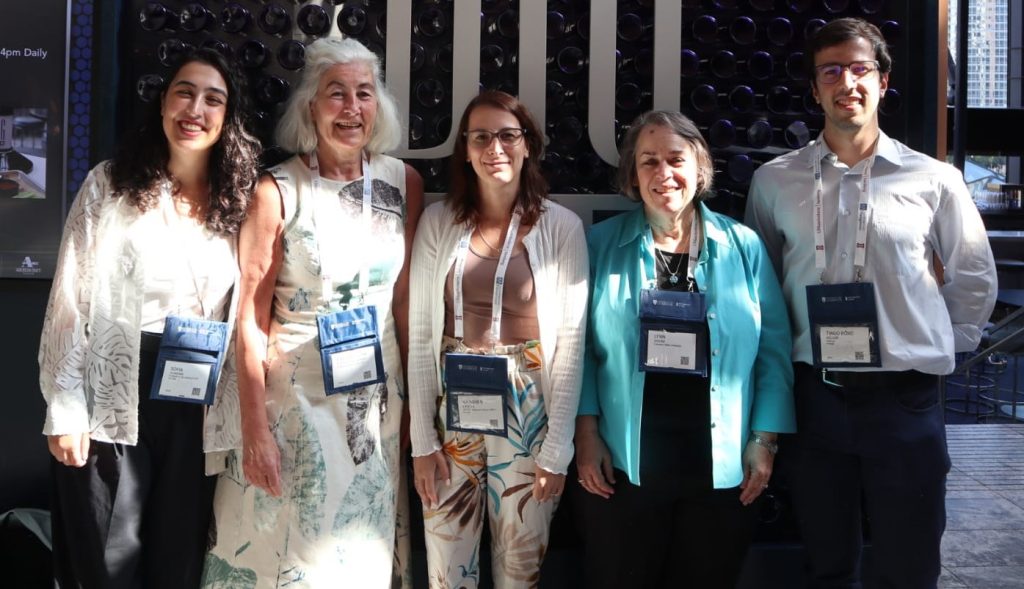
AOM 2025: Copenhagen
The impact of Perceived Exploitation on Health

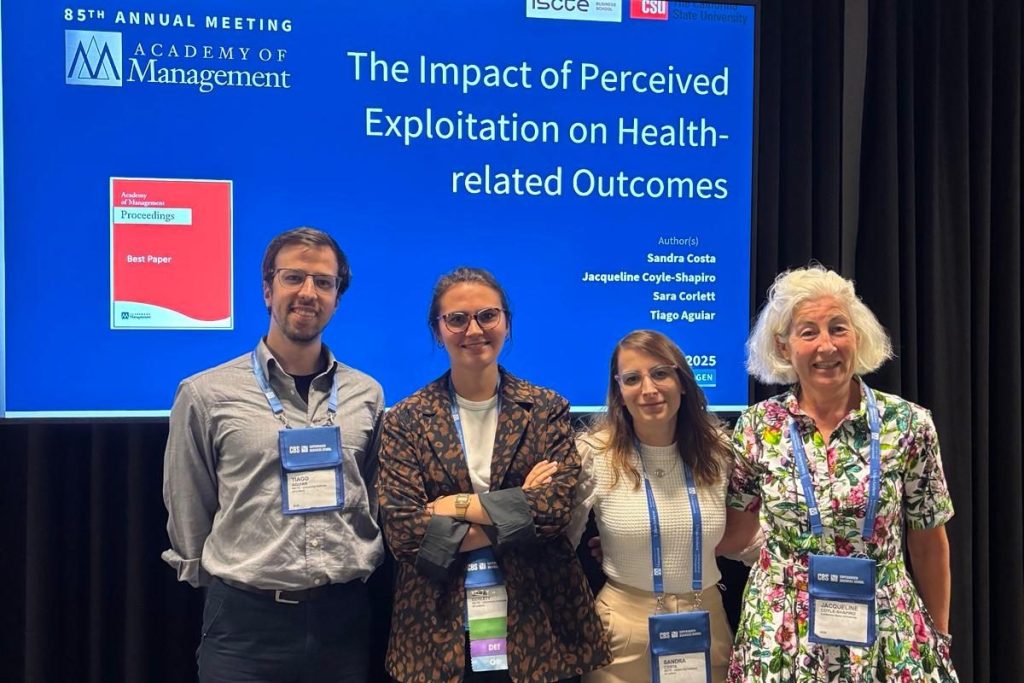
- We were nominated for “Best Paper”, which means our submission was within the top 10% of papers submitted
Sociology Symposium 2026
(Jornadas da Sociologia Lisboa)
Panel: Critical Reflection on the ‘Precarization of Labor’

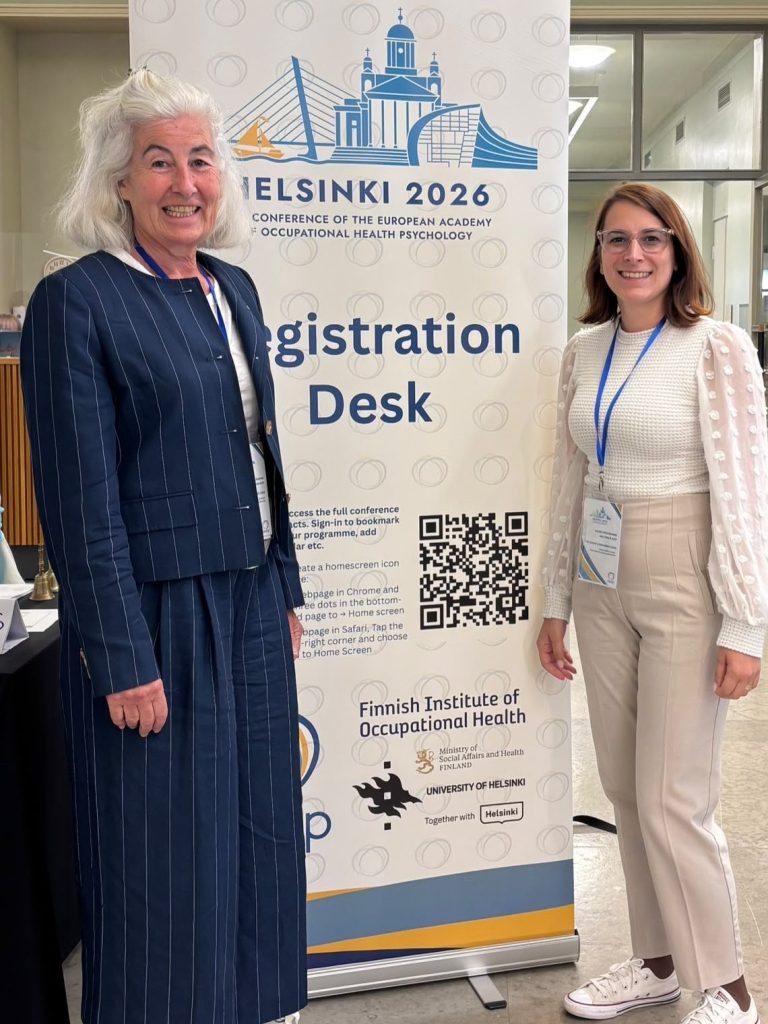
EAOHP 2026: Helsinki
Perceived organizational exploitation and employee health: An examination of processesand boundary conditions
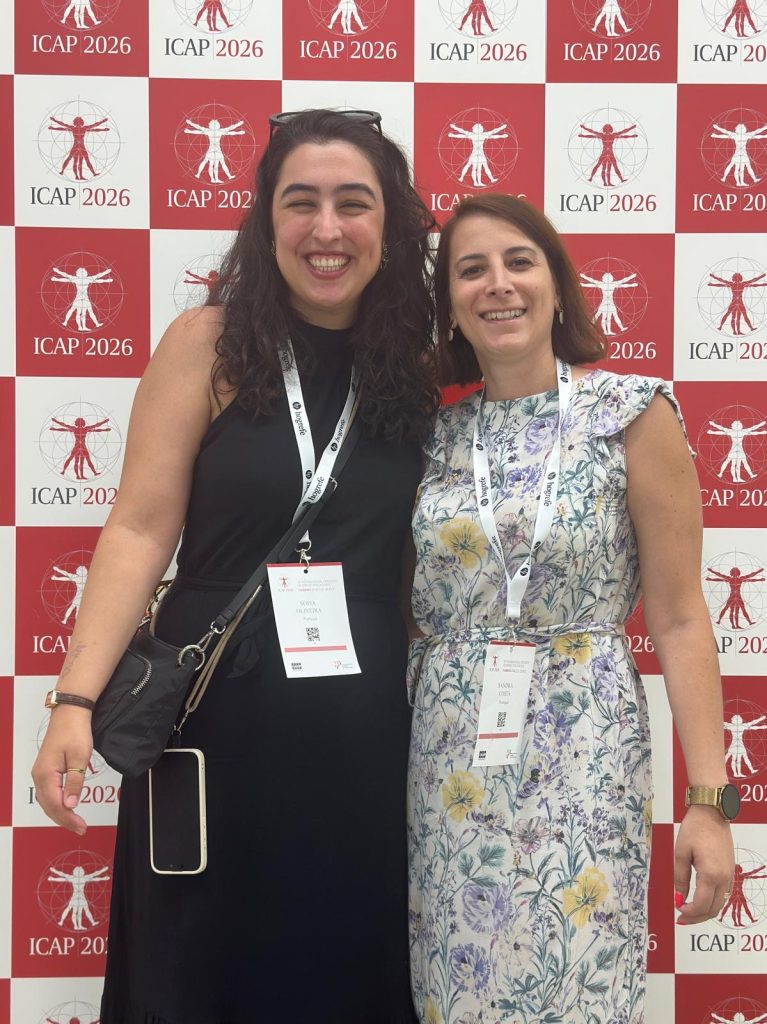
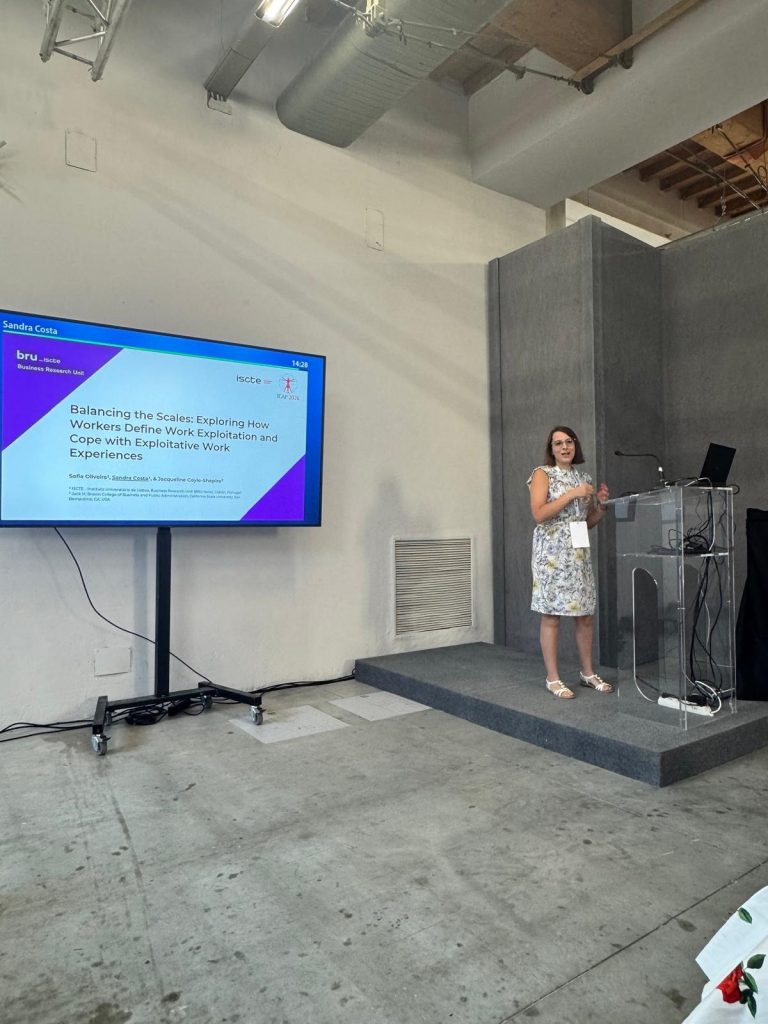
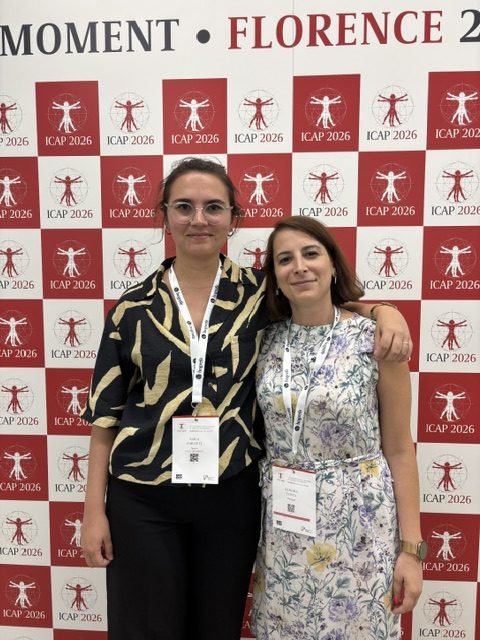
ICAP 2026: Florence
Balancing the Scales: Exploring How Workers Define Work Exploitation and Cope with Exploitative Work Experiences
Coming Soon
We’re not stopping here!
Other Outlets
Because there are infinite places to talk about science
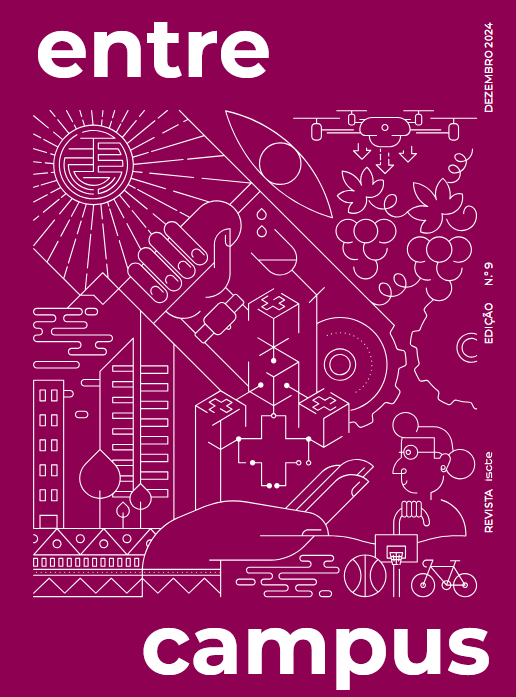
EntreCampus Magazine
Our project leader was interviewed for the EntreCampus magazine, where she spoke on both the project and the topic at large.

Iscte’s Open Day
We were present at Iscte’s Open Day for aspiring students, where we talked with the future of management and organizational behavior industry managers and academic researchers.
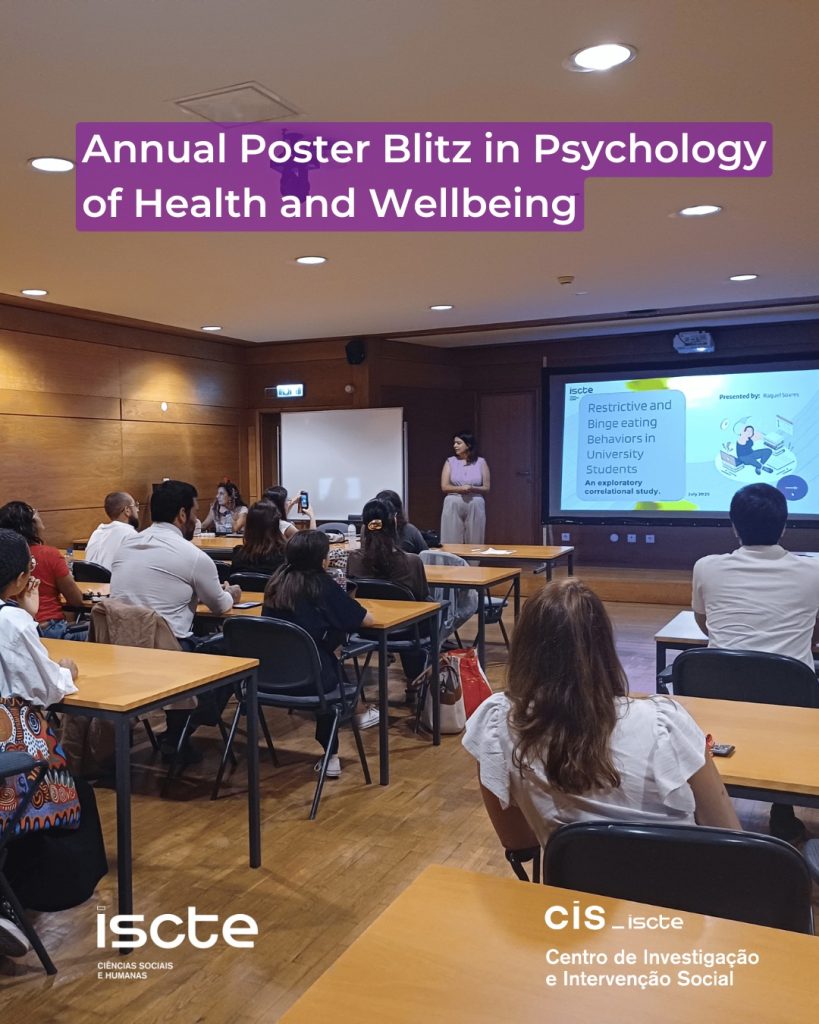
Annual Poster Blitz in Psychology of Health and Wellbeing
We participated in the 1st Annual Poster Blitz in Psychology of Health and Wellbeing, strengthening our commitment to academic events being held in Portugal.
“Our findings highlight how perceptions of exploitative labor relations affect health and workplace dignity. They will help shape organizational policies, inspire debate on managing economic constraints, and promote strategies to prevent worker exploitation.”

Sandra Costa
Principal Investigator
Don’t forget to check out research center
We are based in Iscte – University Institute of Lisbon, working at the Business Research Unit (BRU-Iscte).
- Modern Facilities
- Over 700 researchers
- Already over 500 publications in 2025
Want to learn more about our institution and/or research center?

Get in touch
By E-mail – sandra.costa@iscte-iul.pt
By Phone – +351 210 464 019 (BRU-Iscte’s Projects’ Manager)
Correspondence to
BRU-Iscte
Iscte – University Institute of Lisbon
Building 4 (CVTT), 1st Floor, Room 124
Avenida das Forças Armadas, 40
1649-026 Lisboa