Exploitative working relationships: Impact on employees’ health and behaviors
The average person spends a third of their life working.
How do you feel about your job? you feel good at work? Safe? Appreciated?
How do your work experiences impact your personal life?
Find out more about our project

If you had to rate the impact your work has on your life, what would you say?
A job is much more than the work you do
While it is sometimes pleseant to think of our work and personal lives as completely seperate (much like a “Severance” situation), it is well established in the literature that we, in fact, cannot ignore the impact these colliding worlds have on each other. A bad day at work can spiral into a bad day at home, and personal issues may greatly impact one’s abbility to perform their jobs to the best of their abbility.
Additionally, the conditions in which you perform said job are also known to be paramount. Employees performing the same tasks in the same time period can have wildly different experiences based on, for example, their team leader. In fact, the same team leader may have different employees perceiving their leadership style in different lights, even if they treat all of them the same way. As such, as Psychology research would tell us, it’s not so much that an individual has poor working conditions, it’s that an individual perceives that they have poor working conditions. In the same line, for researchers such us ourselves, defining what exploitation may be in the 21st century is not as important as understanding if employees perceive they are being exploited, as well as the factors that lead to or impact these perceptions.
So, do they?

Our work has been published and presented in prestigious outlets
Good science must be shared, and it is no different with our project. See where we have published and presented our work.
Meet our team
We come from various backgrounds to meet the same goal:
produce high-quality science
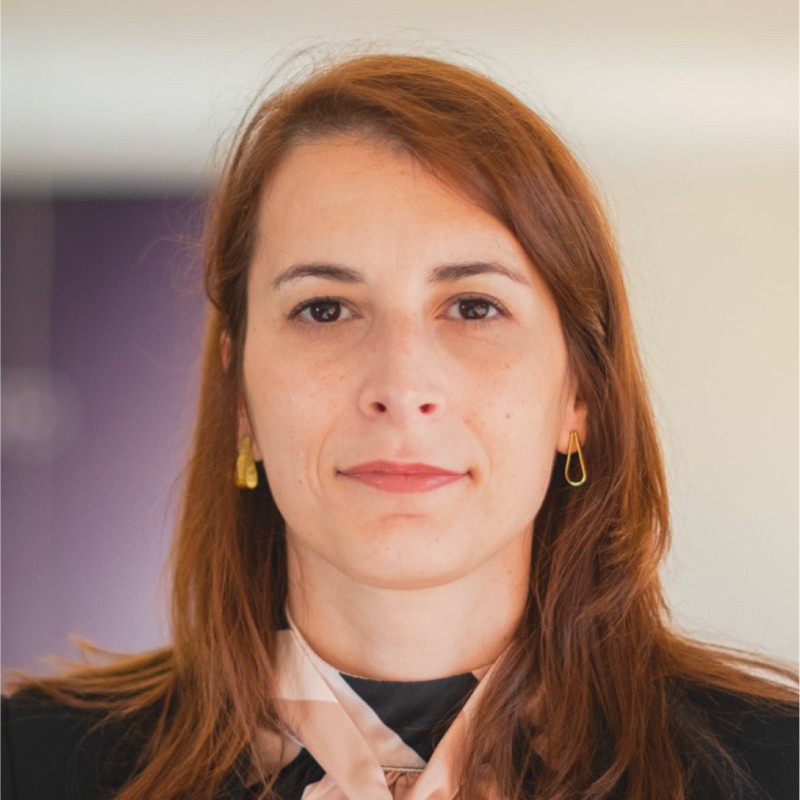
Sandra Costa
Project Manager
Assistant Professor at Iscte – University Institute of Lisbon
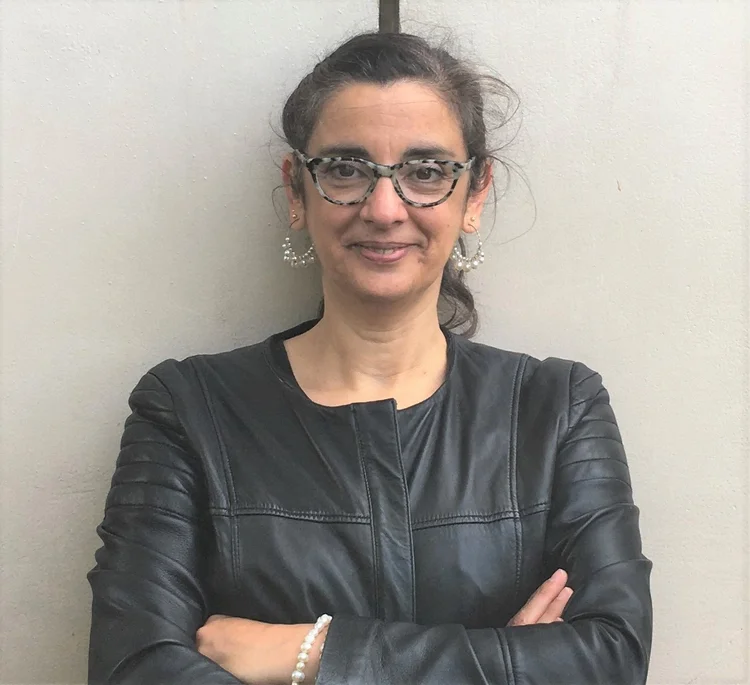
Teresa D’Oliveira
Project Researcher
Professor of Psychology
CCCU

Jacqueline Coyle-Shapiro
Co-Project Manager
Professor in Leadership and Organizational Behavior
CSUSB

Beatriz Saavedra
Doctoral Researcher
Ph.D. Candidate at Iscte – University Institute of Lisbon
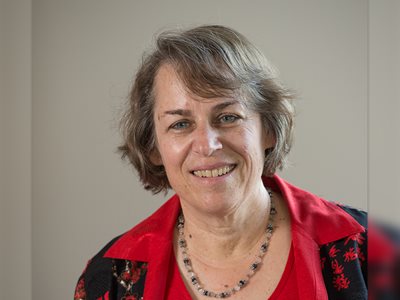
Lynn Shore
Project Researcher
Partners for Excellence Professor
Colorado State University
Past Members and Other Collaborators
We acknowledge the past collaborations of:

Tiago Rôxo Aguiar
Doctoral Researcher
From 2023 to 2026
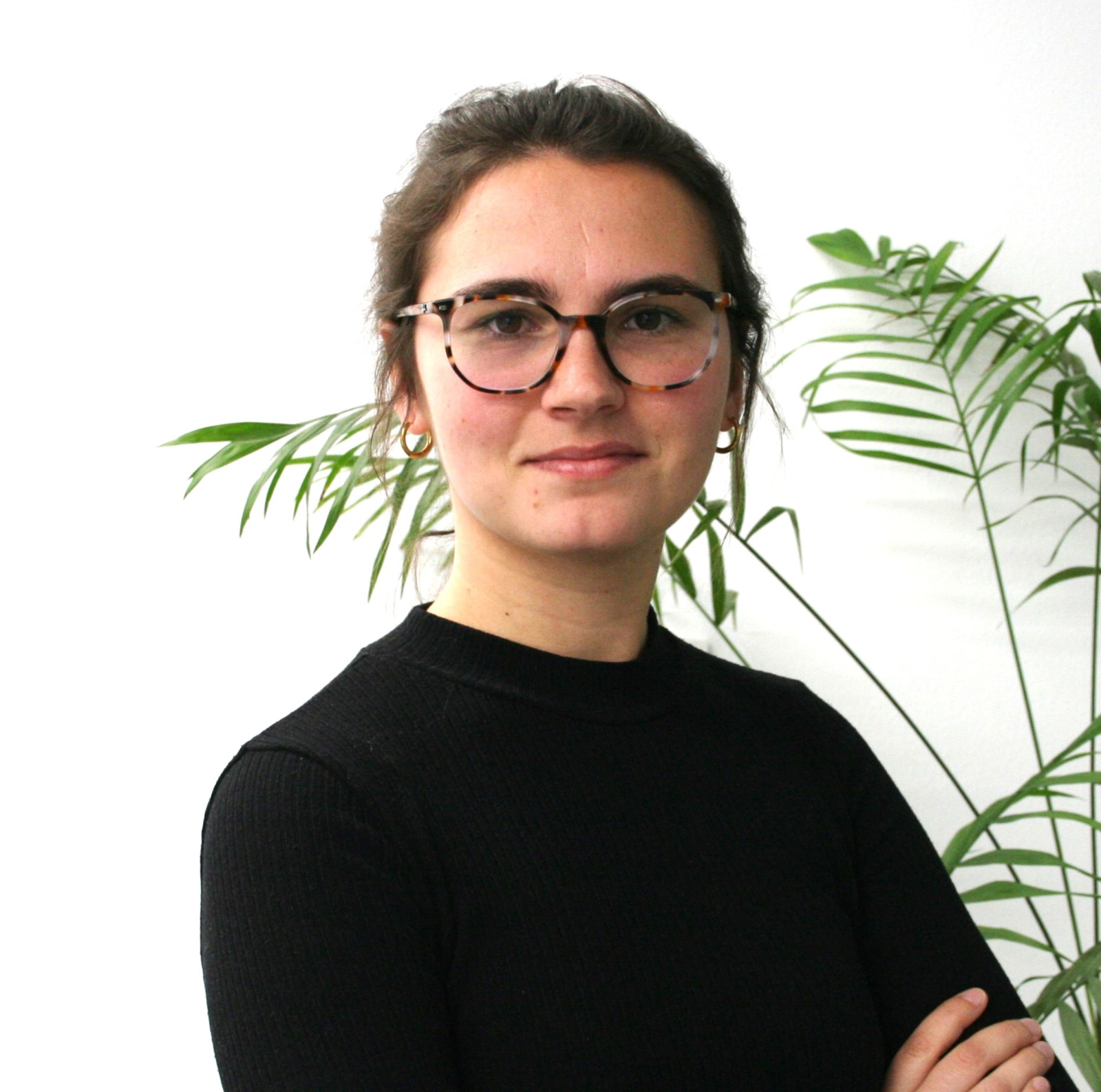
Sara Corlett
Post-Doctoral Researcher
From 2024 to 2025

Sofia Oliveira
Post-Doctoral Researcher
From 2023 to 2024

Cristofthe Fernandes
Post-Doctoral Researcher
From 2025 to 2026
Other questions
How does my job impact me exactly?
Research on the impacts of one’s job is plentiful, and these effects have been explored for decades. It is hard, if not impossible, to completely map an individual’s job impacts on their life, as these will change depending on the person, job, company, and even the specific context. If you wish to learn more about your situation specifically, you can also participate in our project by using the contacts at the end of this page.
Are people actually feeling exploited at work?
Unfortunately, yes. Foundational research on the topic (Livne-Ofer et al., 2019) presents data that clearly indicates perceptions of exploitation are not a thing of the past. The data also indicates that specific groups are more likely to fall victim to exploitation (e.g., such as migrant workers), which will in turn increase these feelings of exploitation. Our already completed studies (which are under review) corroborate this and add further interesting data points, such as that prestigious-perceived jobs, such as nurses and doctors, also report high levels of perceived exploitation, or the fact that low exploitation scenarios are considered significantly less realistic than ones illustrating high exploitation.
How do you research something like this?
Studying any psychological construct is a challenge. How do you measure that which you can’t see? For decades, researchers have employed various techniques: self-report measures, interviews, experiments, physiological data… When deciding on the best way to tackle our topic and securely argue for our results, our decision was “Yes”. Over our multiple studies, we employ techniques covering both qualitative and quantitative data, including physiological data (sleep data, Heart Rate, etc) and a diary study methodology (i.e., participants fill surveys every day, so we can monitor fluctuations in their responses). We are using cutting-edge software, hardware, and statistical analyses to study this topic with the rigor it deserves.
Can I help in any way?
Yes! If you are part of an organization wishing to learn more about the wellbeing of its employees, this is a great opportunity for collaboration. We will take care of material and survey preparation, personnel handling, and will offer a detailed report of our findings at an organization level. All while advancing scientific knowledge on this topic! To get in touch with us, please send us an e-mail at “sandra.costa@iscte-iul.pt”.
Don’t forget to check out research center
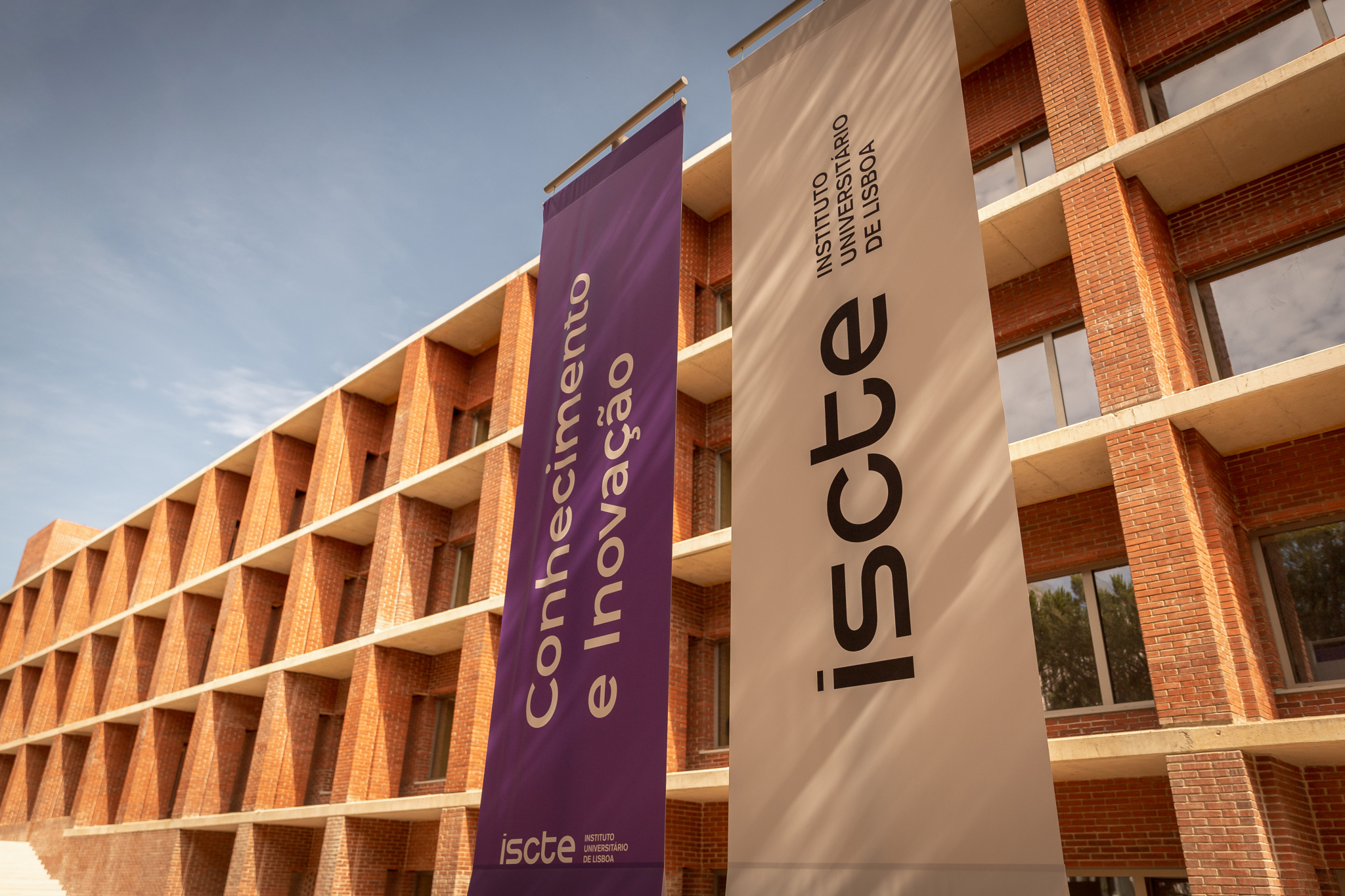
We are based in Iscte – University Institute of Lisbon, working at the Business Research Unit (BRU-Iscte).
- Modern Facilities
- Over 700 researchers
- Already over 500 publications in 2025
Want to learn more about our institution and/or research center?
Get in touch
By E-mail – sandra.costa@iscte-iul.pt
By Phone – +351 210 464 019 (BRU-Iscte’s Projects’ Manager)
Correspondence to
BRU-Iscte
Iscte – University Institute of Lisbon
Building 4 (CVTT), 1st Floor, Room 124
Avenida das Forças Armadas, 40
1649-026 Lisboa